
Reading Trade Balance Data: What The Numbers Actually Mean
Learn how to interpret trade balance figures, surplus vs. deficit situations, and what these indicators tell you about Malaysia’s economic health and competitiveness.

What Is Trade Balance, Really?
Trade balance sounds like dry economics, but it’s actually pretty straightforward. It’s the difference between what a country exports and what it imports. When Malaysia ships out more goods than it brings in, that’s a trade surplus. When imports outweigh exports, that’s a deficit.
Here’s the thing — these numbers tell a real story about Malaysia’s economy. They reveal which industries are thriving, where we’re competitive globally, and where we’re relying on other countries. Understanding this data helps you grasp why certain policies matter and how global trade shapes the local market.
We’re not talking about complex formulas. The numbers are public, they’re updated regularly, and once you know what to look for, they become genuinely useful for understanding economic trends.

Surplus vs. Deficit: What’s Actually Better?
Most people assume a trade surplus is always good. Malaysia exports RM500 billion and imports RM450 billion — that’s a RM50 billion surplus, which sounds positive, right?
Not always. A surplus means money is flowing in from abroad, which seems great. But it can also mean your goods are competitively priced (maybe too cheap), or that you’re producing things other countries need more than you need their products. A deficit means you’re importing more, which could signal strong domestic demand or reliance on foreign goods.
Malaysia actually runs trade surpluses regularly. Electronics, semiconductors, and petroleum products flow out constantly. But that doesn’t mean everything’s perfect — it reflects structural dependencies on global supply chains and foreign technology. The surplus masks complexity.
“A trade surplus looks good on paper, but it’s just one piece of a much bigger economic picture. You need context to understand what it really means.”
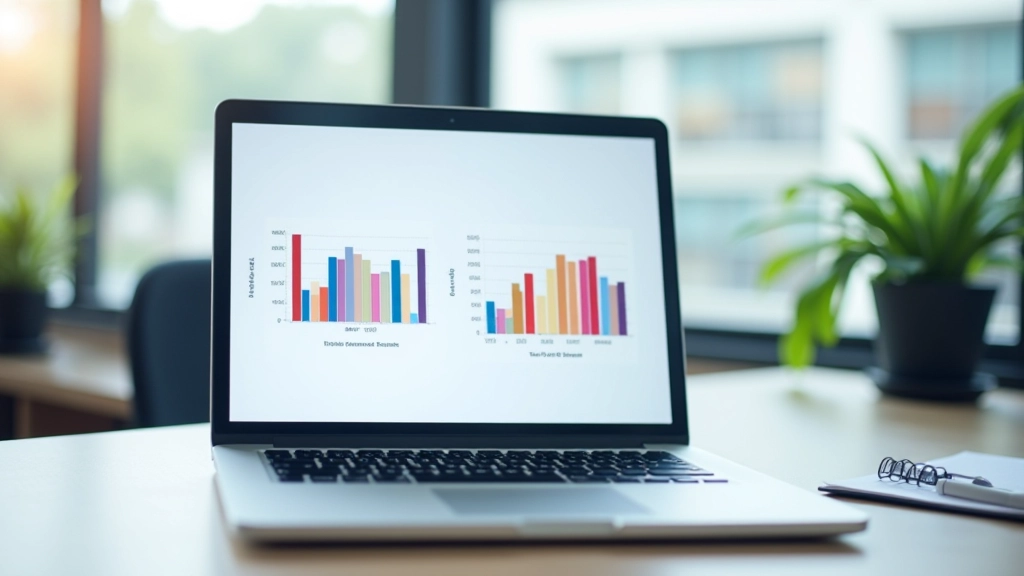
Breaking Down the Numbers: What to Look For
Merchandise Exports
Goods shipped out — semiconductors, palm oil, petroleum products, machinery. Malaysia exported around RM550 billion in goods annually. Electronics alone account for roughly 40% of total exports.
Merchandise Imports
Raw materials, components, and finished goods coming in. Malaysia imports oil, chemicals, metals, and electronic components for re-export. This reflects the integrated supply chain model.
Major Trading Partners
China, the USA, Singapore, and Japan are Malaysia’s biggest partners. Trade concentration matters — if one country’s economy slows, Malaysia feels it immediately through reduced demand.
Year-over-Year Growth
How exports and imports change month to month or year to year. Rising export growth signals confidence. Declining imports might mean domestic demand is weakening. Watch the trend, not just the snapshot.
Malaysia’s Export Dependency: The Real Story
Malaysia doesn’t make everything it consumes locally. The economy is built on exports. Electronics, semiconductors, palm oil, petroleum — these flow out constantly, and the money coming back supports the entire system.
This is actually efficient. Instead of trying to make everything domestically (which’d be expensive and slow), Malaysia specializes in what it does well and trades for the rest. But it also creates vulnerability. If global demand for electronics drops, Malaysia’s trade numbers fall fast.
The trade balance data shows this dependency clearly. When semiconductor exports rise 15%, the whole surplus gets bigger. When they fall, even strong palm oil sales can’t compensate. That’s why trade data matters — it shows which industries carry real economic weight.
How to Actually Read and Use This Data
Get the Monthly Numbers
Check official sources — Malaysia’s Department of Statistics releases trade data monthly. You’ll see total exports, total imports, and the balance. Don’t just look at one month. Look at the last 12 months to spot trends.
Break It Down by Sector
Total trade numbers hide what’s really happening. Dig into which industries are driving exports. Is growth coming from semiconductors, chemicals, or something else? That tells you where the economy’s actual momentum is.
Compare to Global Context
Is Malaysia’s trade surplus growing while global trade slows? That suggests Malaysia’s gaining market share. Is it shrinking? That might mean competitors are taking business. Context matters enormously.
Watch Trade Agreement Impact
RCEP and CPTPP agreements changed how goods move. After these agreements took effect, did Malaysia’s trade with partner countries shift? Did imports from certain countries increase or decrease? The numbers reveal how policies actually affect real commerce.
Why This Matters to You
You might think trade balance data is just for economists. It’s not. If you’re in manufacturing, these numbers affect your supply chain costs. If you work in finance, they influence currency movements and interest rates. If you’re simply interested in understanding Malaysia’s economy, trade data is the clearest window available.
Trade balance trends predict economic slowdowns before official recessions arrive. When exports start falling, companies reduce hiring. When imports surge, it signals consumer spending is picking up. The data leads reality by weeks or months.
Most importantly, trade balance data is transparent and available. You don’t need special access or expensive reports. The Department of Statistics publishes it publicly. Learning to read it means you’re not dependent on others’ interpretations — you can see Malaysia’s economic health directly.

Key Takeaways
- Trade balance = exports minus imports. A surplus means exports exceed imports; a deficit means the opposite.
- Malaysia typically runs trade surpluses driven by electronics and petroleum exports, but this masks structural dependencies on global supply chains.
- A surplus isn’t automatically “good” — it depends on what’s driving it and what the economy needs.
- The real insight comes from breaking down exports and imports by sector and watching trends over time.
- Trade data is public and updated monthly. Learning to read it gives you direct insight into Malaysia’s economic health.
Disclaimer
This article is for educational and informational purposes only. It explains how to interpret trade balance data and provides general economic context. It’s not investment advice, economic forecasting, or policy guidance. Trade balance figures reflect past activity, and actual economic outcomes depend on numerous complex factors beyond any single data point. For specific economic analysis, policy decisions, or investment strategies, consult qualified economists or financial advisors who can assess your particular circumstances.
Related Articles