
How Free Trade Agreements Impact Malaysia’s Domestic Industries
Examining the real effects of FTAs on local manufacturers, supply chains, and competitive positioning in Malaysia’s evolving trade landscape.
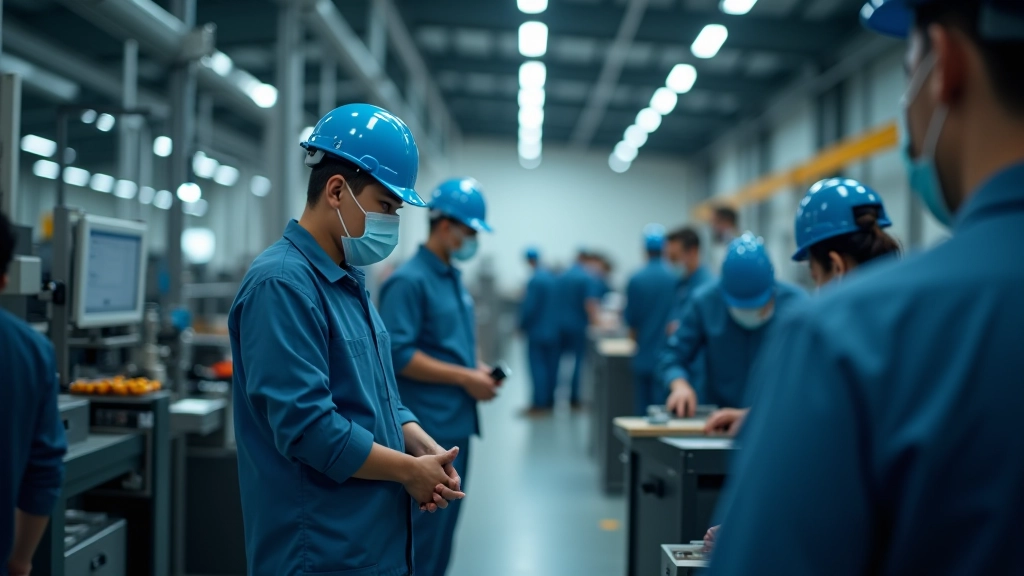
Understanding Malaysia’s Trade Transformation
Malaysia’s entry into major free trade agreements—particularly RCEP and CPTPP—has fundamentally reshaped how domestic industries compete. We’re witnessing a complex shift where some sectors flourish while others face unprecedented pressure. The question isn’t whether FTAs are good or bad. It’s how they’re reshaping the competitive landscape for manufacturers, suppliers, and exporters across the nation.
These agreements lower tariff barriers that once protected local producers. Electronics manufacturers who once relied on import duties now compete directly with Thai and Vietnamese competitors. Palm oil processors face new sustainability standards. Petroleum refineries adjust to regional price harmonization. Understanding these changes isn’t just academic—it’s essential for anyone tracking Malaysia’s industrial future.

How FTAs Reshape Market Dynamics
Free trade agreements work through tariff reduction schedules. Malaysia’s commitments typically phase out import duties over 5-10 years. That timeline matters enormously. Electronics components that faced 15% tariffs might drop to 5% over five years, then reach zero. Manufacturers can’t suddenly absorb those margins—they’ve got to restructure operations, relocate supply chains, or find competitive advantages elsewhere.
The real impact hits hardest in mid-tier industries. Large multinational corporations already operate globally and have diversified supply chains. Small local producers sometimes find niche markets. But mid-sized Malaysian manufacturers in textiles, automotive parts, and food processing? They’re squeezed from both directions. Import competition increases while input costs rise due to new regional standards and logistics adjustments.
Key Mechanisms at Work
- Tariff elimination schedules phased over multiple years
- Rules of origin requirements that reshape sourcing decisions
- Non-tariff barrier harmonization affecting product standards
- Investment protection clauses attracting foreign capital

Winners and Losers in Malaysia’s FTA Era
Electronics & Semiconductors
Malaysia’s semiconductor assembly and testing sector benefits from reduced component tariffs. Companies like Penang’s chip manufacturers gain access to cheaper raw materials from RCEP partners. Export markets expand as tariff barriers fall. The sector’s already substantial—we’re talking about 3.5 million jobs across the electronics value chain. But these gains concentrate among large players with scale.
Processed Agricultural Products
Palm oil refineries and food processors gain new export channels. CPTPP access to Canada and Australia opens premium markets. RCEP gives Malaysia easier access to China and Vietnam for semi-processed goods. Yet small-scale farmers don’t see these benefits directly. Price pressures from Indonesian competitors often offset tariff gains.
Textiles & Apparel
Local textile manufacturers face direct competition from Vietnam and Thailand. Tariff cuts that began in 2022 have already pushed several medium-sized mills to reduce capacity. The 40,000+ workers in Malaysia’s textile sector are experiencing real job pressure. Consolidation is underway—smaller facilities closing, production shifting to larger, more automated operations.
Automotive Parts (Low-Tech)
Suppliers of simple automotive components—harnesses, fasteners, trim—are struggling. Thai producers offer lower costs, and tariff barriers that once protected Malaysian suppliers are disappearing. Factories that survived the 2008 crisis can’t absorb these new pressures. Regional consolidation is consolidating production in lower-cost locations.

How Industries Are Adapting
Successful Malaysian manufacturers aren’t fighting the FTA wave—they’re riding it. We’re seeing three main adaptation strategies. First, automation and upskilling. Companies investing in robotics and advanced manufacturing reduce labor cost disadvantages. Second, supply chain integration. Firms are building regional networks, sourcing components from cheaper RCEP partners while maintaining Malaysian operations for high-value activities. Third, quality differentiation. Rather than compete on price, some producers emphasize sustainability certifications, advanced materials, and specialized applications.
Take Penang’s electronics cluster. Factories there aren’t trying to beat Vietnamese wages. Instead, they’re moving up the value chain—semiconductor testing, precision assembly, quality control. They’re capturing higher margins on complex products rather than racing to the bottom on volume. It’s working. The region’s attracted billions in new investment from companies like Intel and Applied Materials precisely because of this positioning.
What’s not working? Hoping tariff barriers return. They won’t. Malaysia’s locked into RCEP and CPTPP commitments. The real adaptation question is whether industries can transform faster than competitors in lower-cost countries can improve quality.
Supply Chain Restructuring and Regional Integration
FTAs don’t just affect final product tariffs. They reshape entire supply chains. Rules of origin requirements dictate where components must come from. RCEP’s rules let companies source from any member country—that’s 10 nations from Vietnam to Japan. This flexibility is revolutionary. A Malaysian electronics manufacturer can now source rare earth processing from China, assembly components from Vietnam, and precision parts from Japan, then assemble everything in Malaysia and export tariff-free to any RCEP partner.
Reshuffling Production Networks
What’s happening in practice? Malaysian companies are moving low-margin, labor-intensive work to Cambodia or Myanmar while keeping engineering, quality control, and logistics operations at home. It’s economically rational but politically uncomfortable. Some sectors are experiencing net job losses even as export volumes grow. The jobs that remain are increasingly specialized—technicians, engineers, supply chain managers—not the factory floor positions of the 1990s.
Petrochemical refineries are consolidating production. Palm oil processing is automating. Electronics assembly is shifting toward testing and validation roles. These aren’t failures of the FTA model. They’re how mature manufacturing economies evolve. The challenge is whether Malaysia’s workforce can transition fast enough. Retraining programs exist but don’t reach everyone. Workers displaced from textile mills don’t automatically become semiconductor technicians.

The Path Forward: Challenges and Opportunities
Malaysia’s facing a genuine crossroads. The FTA commitments are locked in. There’s no renegotiating RCEP or CPTPP terms. So what comes next? Three scenarios seem plausible. In the optimistic case, Malaysian industries successfully move upmarket. Companies invest in R&D, automation, and talent. The nation becomes a high-value-add manufacturing hub competing on innovation rather than cost. This requires substantial investment—government support for skills training, infrastructure for advanced manufacturing, incentives for R&D centers.
In the realistic case, Malaysia experiences uneven adjustment. Some sectors thrive. Others shrink. Regional inequality increases as electronics clusters in Penang and Selangor boom while traditional manufacturing regions struggle. Social safety nets become critical. Workers need genuine retraining support, not just unemployment benefits.
In the challenging case, adjustment happens too slowly. Industries lose competitiveness. Jobs disappear faster than new ones emerge. This outcome isn’t inevitable—it depends on policy choices happening right now. Investment in vocational training, infrastructure for tech-intensive manufacturing, and support for companies upgrading operations aren’t luxuries. They’re necessities.
Critical Success Factors
Workforce Transformation
Skills training programs that actually match industry needs. Not generic retraining, but specific technical certifications aligned with where jobs are being created.
Infrastructure Investment
High-speed internet, advanced manufacturing parks, R&D facilities. Companies making the transition to higher-value production need infrastructure supporting that shift.
Innovation Incentives
Tax credits for R&D, grants for technology adoption, partnerships between universities and industry. Moving upmarket requires innovation. That doesn’t happen without deliberate incentives.
Social Support Systems
Robust unemployment insurance, income support during transitions, accessible healthcare. Not charity—economic necessity. Workers who feel secure are more willing to invest in retraining.
About This Analysis
This article provides educational information about Malaysia’s free trade agreements and their general effects on domestic industries. The information reflects publicly available data and economic analysis as of February 2026. Individual industry circumstances vary significantly. Specific business decisions should be informed by current market research, professional economic analysis, and industry-specific consultation. Trade policy effects are complex and evolve as agreements are implemented. For detailed guidance on how FTAs affect your specific industry or business, consult with trade economics professionals, industry associations, or government economic agencies.