

Reading Trade Balance Data: What The Numbers Actually Mean
Learn how to interpret trade balance figures, surplus vs. deficit situations, and what these indicators reveal about economic health and competitiveness.
Understanding how two major trade partnerships reshape Malaysia’s export landscape and market opportunities

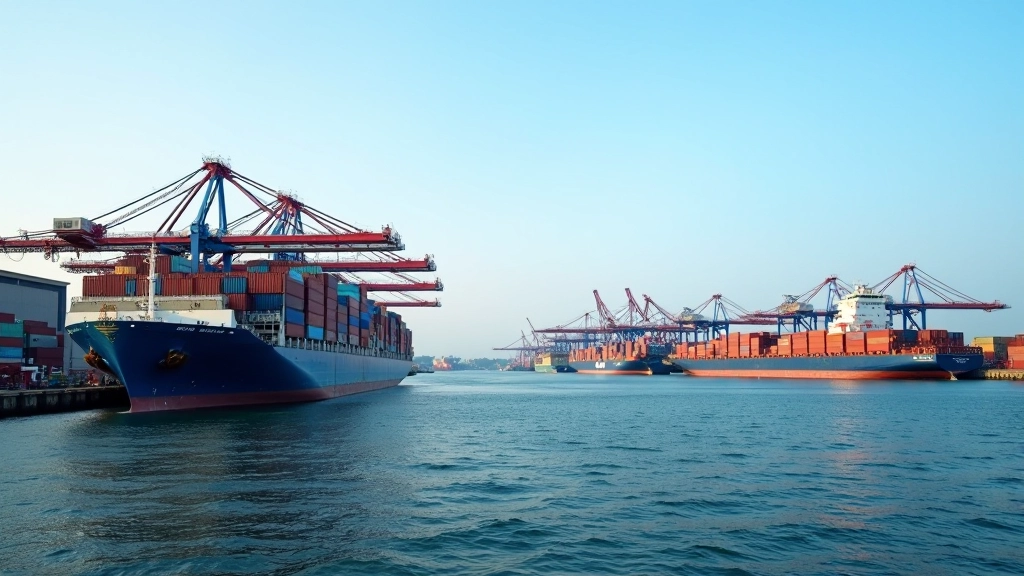
Malaysia sits at a crossroads of global commerce. The Regional Comprehensive Economic Partnership (RCEP) and the Comprehensive and Progressive Trans-Pacific Partnership (CPTPP) aren’t just policy documents—they’re reshaping how Malaysian businesses access markets, compete globally, and position themselves for growth.
These agreements matter because they directly affect tariff rates, supply chain networks, and the competitive advantage Malaysian exporters enjoy. Whether you’re tracking trade trends or running an export business, understanding these partnerships is essential.

RCEP came into force in January 2022, bringing together 10 ASEAN nations plus China, Japan, South Korea, Australia, and New Zealand. That’s roughly 30% of global GDP under one trade framework.
For Malaysia, this means reduced tariffs on electronics—our biggest export category. We’re talking about real percentage drops on circuit boards, semiconductors, and optical instruments heading to regional partners. The agreement also opens doors for Malaysian palm oil and petroleum products, though agricultural trade still carries higher protection in some markets.
Key benefit: Tariffs on 90% of traded goods eliminated among RCEP members over time. Malaysia exports roughly 75% to RCEP nations, making this framework directly relevant to our economy.
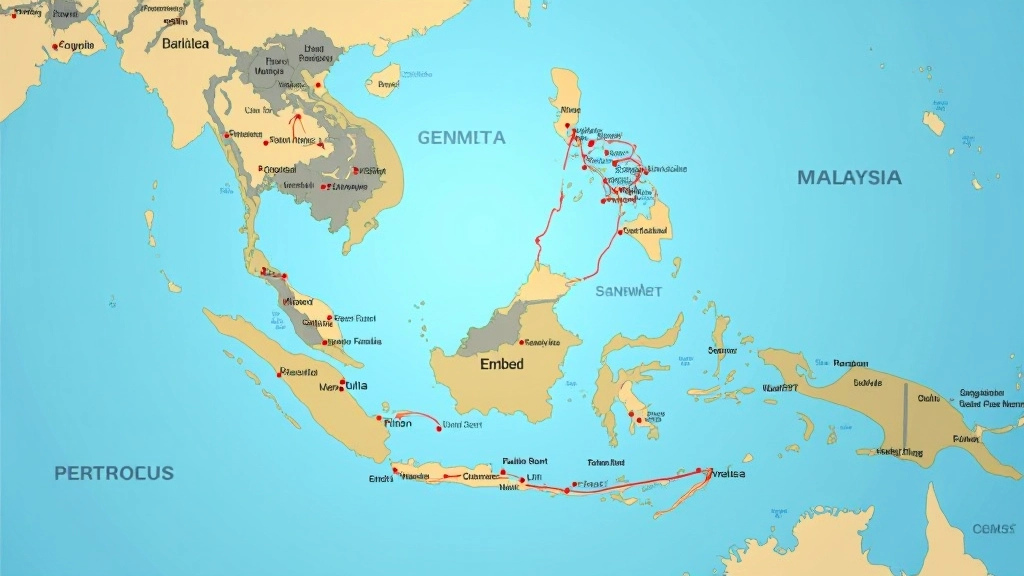
Malaysia joined CPTPP in 2022, gaining access to 11 Pacific Rim economies including Japan, Canada, Vietnam, and Australia. This partnership opens different doors than RCEP—particularly into developed markets with stronger purchasing power.
The real advantage? Tariff elimination on manufactured goods entering Canada, Australia, and Japan. Malaysian electronics manufacturers benefit significantly. But CPTPP also comes with requirements—labor standards, environmental protections, and intellectual property rules that businesses must meet.
It’s not just about tariffs disappearing. CPTPP members commit to regulatory cooperation, which means less red tape for companies that meet standards across borders. For exporters, that means faster customs clearance and more predictable trade rules.
Neither agreement replaces the other. They’re complementary—RCEP deepens trade within Asia while CPTPP connects Malaysia to wealthier Pacific markets. Most Malaysian exporters benefit from both.
These agreements don’t just create theoretical trade benefits. They reshape how specific industries operate.
Electronics and semiconductors: Tariffs on components drop significantly. Malaysian manufacturers can source parts cheaper from RCEP nations and export finished products to CPTPP markets without tariff barriers. This creates cost advantages.
Palm oil: RCEP provides preferential access to China, Japan, and Indonesia. CPTPP opens Canadian and Australian doors, though some members have restrictions. Market diversity reduces exposure to single-nation trade disputes.
Petroleum products: Refineries benefit from cheaper feedstock under RCEP and tariff-free exports under both agreements. Supply chain costs drop, making Malaysian products more competitive.

With tariffs falling across RCEP, businesses can source materials from the lowest-cost RCEP producer. This creates efficiency gains. A manufacturer in Penang can now source from Vietnam, assemble in Malaysia, and export to Japan tariff-free—something that wasn’t economically viable before.
CPTPP membership reduces dependence on Asian markets alone. Exporters can now reach Canada and Australia without tariff penalties. This diversification protects against regional economic downturns and provides growth pathways.
Both agreements have “rules of origin” provisions. Products manufactured in Malaysia with sufficient local content qualify for tariff benefits. This incentivizes manufacturing investment in Malaysia rather than competitors.
Companies worldwide are relocating production to RCEP/CPTPP hubs to access multiple markets tariff-free. Malaysia’s strategic location attracts manufacturing investment, creating jobs and economic growth beyond just exports.

Benefits don’t arrive automatically. Businesses face real challenges when accessing these agreements.
Rules of origin compliance: Products must meet specific local content thresholds to qualify for tariff benefits. This requires tracking materials from suppliers, maintaining documentation, and potentially restructuring supply chains. It’s administrative work that smaller companies sometimes struggle with.
CPTPP standards: Labor and environmental regulations are stricter under CPTPP than domestic Malaysian law. Factories must upgrade practices to meet these requirements, increasing costs initially.
Tariff elimination timelines: Most tariffs don’t disappear immediately. Elimination happens over 5-20 year phases depending on the product. Businesses planning long-term need to understand these phase-in schedules.
RCEP and CPTPP represent Malaysia’s integration into two major trade systems. They’re not separate strategies—they’re complementary. RCEP deepens our ties within Asia while CPTPP connects us to developed Pacific economies.
For Malaysian exporters, the practical takeaway is clear: these agreements lower costs, reduce tariff barriers, and create market opportunities. But accessing these benefits requires understanding the rules, maintaining compliance, and adapting supply chains accordingly.
The companies winning today aren’t just exporting—they’re strategically positioning themselves to leverage both frameworks simultaneously, sourcing from RCEP partners while selling to CPTPP markets.
Whether you’re tracking Malaysia’s economic direction or operating an export business, these trade partnerships matter. They’re reshaping competitive advantages, creating supply chain efficiencies, and opening doors to markets that were previously less accessible. Understanding how they work puts you ahead.
Disclaimer: This article provides educational information about RCEP and CPTPP trade agreements and their general impact on Malaysia’s trade landscape. The information presented is based on publicly available data and general trade policy understanding. Tariff rates, rules of origin requirements, and compliance obligations are subject to change and vary by specific product categories. This content is not intended as legal, tax, or business advice. Companies seeking to leverage these agreements should consult with trade lawyers, customs brokers, and business advisors familiar with their specific industry and products. Trade regulations differ significantly by sector, and professional guidance is essential for compliance and strategic planning.