
Malaysia’s Top Export Commodities: Electronics, Palm Oil, and Petroleum
A comprehensive breakdown of Malaysia’s three dominant export sectors, their production volumes, global market positions, and how trade agreements shape these industries.
Understanding Malaysia’s Export Economy
Malaysia’s economy depends heavily on three key export sectors. These aren’t random — they’re the result of decades of development, geographic advantages, and strategic investments. Together, electronics, palm oil, and petroleum generate over 60% of the country’s total export revenue.
What makes these sectors fascinating is how they interact with global trade cycles. When tech demand drops, Malaysia feels it immediately. When palm oil prices surge, entire communities benefit. And petroleum — it’s tied to energy geopolitics in ways most people don’t realize. Understanding these commodities means understanding Malaysia’s economic future.

Electronics: Malaysia’s Tech Export Engine
Electronics represent Malaysia’s largest export category by value. We’re talking semiconductors, computer components, consumer electronics — the stuff inside smartphones, laptops, and data center equipment worldwide. Malaysia produces roughly 13% of global semiconductor wafers and ranks among the top five countries for electronics exports.
The electronics industry isn’t just about manufacturing anymore. Malaysian facilities now handle advanced packaging, testing, and even design work. Companies like Intel, Penang’s own semiconductor hubs, and contract manufacturers employ hundreds of thousands. But here’s the reality — this sector lives and dies by global tech cycles. When Apple slows production, Malaysian factories feel it within weeks.
Recent trade agreements like RCEP have actually helped. Tariff reductions on semiconductor components mean manufacturers can source parts more cheaply from regional partners. That makes Malaysian products more competitive in the global market. It’s not flashy, but it’s how real competitive advantage works.


Palm Oil: Controversial, Profitable, Complex
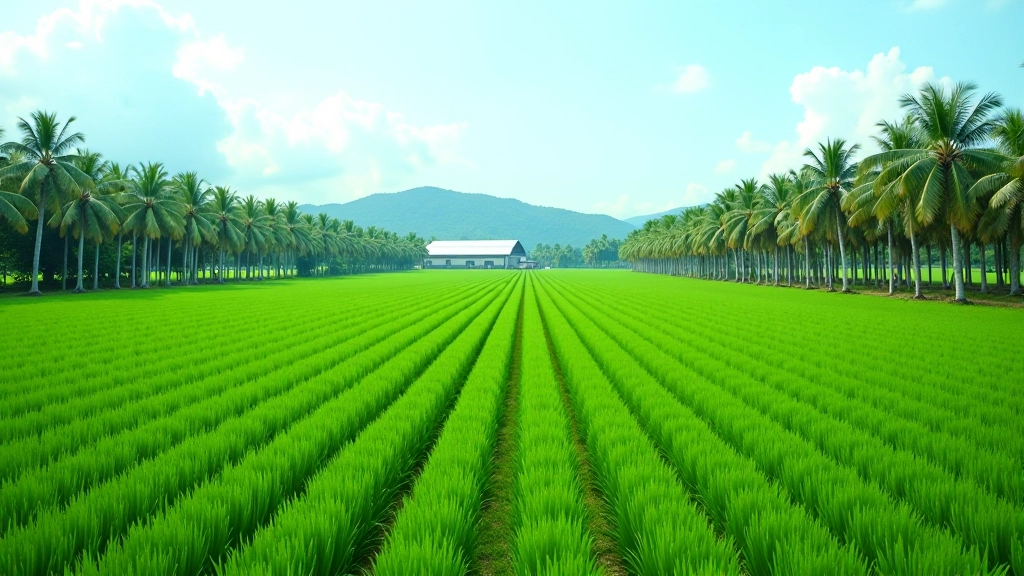
Palm oil is Malaysia’s second-largest export by value, and it’s genuinely complicated. Malaysia produces roughly 40% of the world’s palm oil — about 19 million tonnes annually. It goes into everything: cooking oil, cosmetics, biofuel, confectionery. Economically, it’s crucial for rural Malaysia, supporting millions of smallholder farmers and plantation workers.
But environmental concerns are real. Deforestation for plantations has destroyed rainforest habitat. That’s why certification matters now — RSPO (Roundtable on Sustainable Palm Oil) certified palm commands premium prices in European and North American markets. Malaysia’s learned that sustainability isn’t optional anymore; it’s a market requirement. Companies that ignore it get shut out of major buyers.
Price volatility is another factor. When crude oil rises, palm oil often follows — because they’re competing feedstocks for biofuel. When weather hits production (droughts, floods), prices spike. Farmers experience real hardship during price crashes. Trade agreements help by ensuring market access, but they can’t control commodity price cycles.
Petroleum: Energy, Revenue, and Strategic Importance
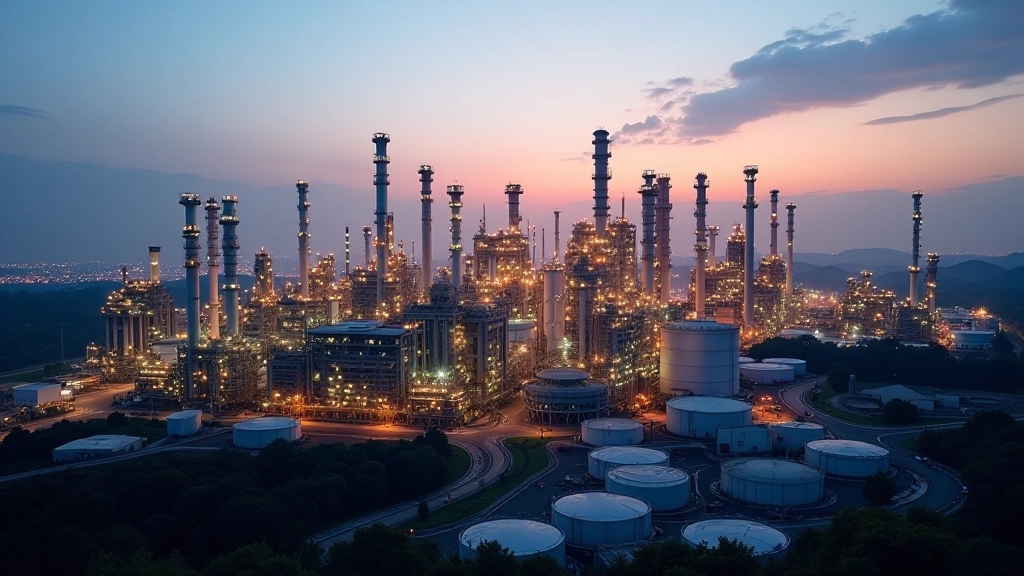
Petroleum and liquefied natural gas (LNG) represent Malaysia’s third major export sector. The country’s offshore fields in the South China Sea and Sarawak produce roughly 700,000 barrels of oil daily, plus significant LNG exports. Revenue from petroleum has historically funded infrastructure development, education, and government operations.
Here’s what most people miss: petroleum isn’t just about the oil itself. It’s about energy security, geopolitical influence, and long-term contracts. Malaysia’s LNG exports go primarily to Japan, South Korea, and increasingly to Europe (as alternatives to Russian gas). These aren’t spot-market transactions — they’re 20-year contracts worth billions. That stability matters for budgeting.
The challenge? Global energy transition. As countries shift toward renewables, long-term demand for fossil fuels is declining. Malaysia’s recognizing this — investing in renewable energy projects and exploring green hydrogen. But petroleum will remain important for decades, especially as developing nations still need affordable energy. The question isn’t if petroleum exports matter, but how Malaysia positions itself as the energy transition accelerates.
How Trade Agreements Shape These Industries
Regional agreements like RCEP and bilateral deals directly affect Malaysia’s export competitiveness and market access.
RCEP Benefits
Lower tariffs on semiconductor components, electronics parts, and petrochemical products within ASEAN and East Asia. This reduces costs for Malaysian manufacturers and makes final products more price-competitive globally.
Market Access
Trade agreements guarantee stable access to major markets like Japan, South Korea, Australia, and New Zealand. This certainty lets businesses plan long-term investments without fear of sudden tariff changes.
Sustainability Standards
Many trade agreements now include environmental provisions. For palm oil especially, meeting sustainability criteria isn’t just ethical — it’s a trade requirement. This pushes industries toward responsible practices.
Supply Chain Integration
RCEP especially enables complex regional supply chains. Malaysian electronics manufacturers can now source components from Vietnam, assemble in Thailand, and export globally with minimal tariffs — creating efficient production networks.
Key Takeaways: Malaysia’s Export Reality
Understanding Malaysia’s export economy requires looking beyond simple statistics. These three sectors are interconnected with global trends, trade politics, and long-term structural changes.
Diversification Matters
Having three major export sectors provides some cushion. When electronics demand drops, palm oil and petroleum still generate revenue. But it also means Malaysia’s economy is vulnerable to multiple global cycles simultaneously.
Trade Agreements Are Essential
RCEP, CPTPP, and bilateral deals aren’t just bureaucratic paperwork. They directly affect tariff rates, supply chain efficiency, and market access. Malaysia’s competitive position depends on maintaining and leveraging these agreements.
Sustainability Is Now Non-Negotiable
Especially for palm oil, but increasingly for all sectors, international buyers demand environmental responsibility. Companies that ignore this get locked out of premium markets. It’s not a choice anymore — it’s a market requirement.
Energy Transition Is Coming
Petroleum will remain important, but the global shift toward renewables is accelerating. Malaysia needs to diversify its energy portfolio and develop new export sectors — green hydrogen, renewable components, sustainable materials.
Disclaimer
This article provides educational information about Malaysia’s export sectors and trade dynamics. The statistics, market shares, and production figures are based on publicly available data and are intended for informational purposes only. Export volumes, commodity prices, and trade relationships change constantly based on global market conditions.
Nothing in this article constitutes investment advice, financial guidance, or predictions about future market performance. International trade is complex and influenced by numerous factors including geopolitics, currency fluctuations, weather events, technological changes, and policy decisions. For specific information about trade opportunities, market analysis, or business decisions, consult with trade experts, economists, or industry professionals. Malaysia’s Ministry of International Trade and Industry (MITI) and official government sources provide authoritative trade data and policy information.